
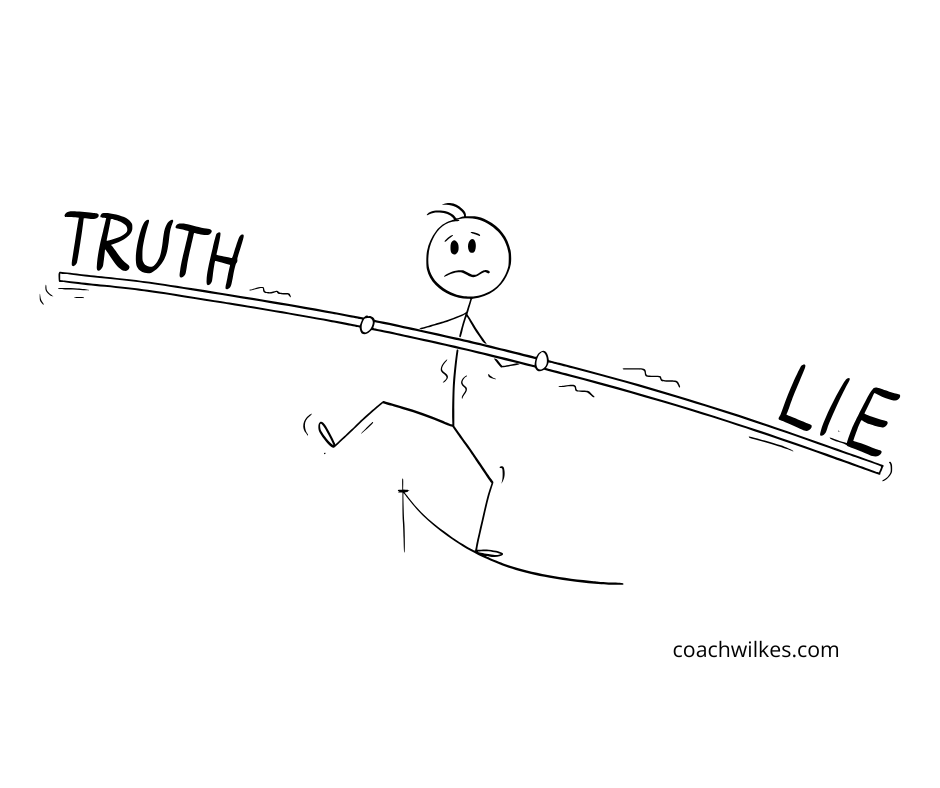
The Truth About Lying: What Your Child’s Lies Are Really Telling You

Introduction: Why Do Kids Lie?
Lying is one of the most frustrating behaviors for parents. It doesn’t matter whether it’s about something small—like finishing homework—or something bigger—like where they were last night. When kids lie, it can feel personal, like a betrayal of trust.
Many parents assume that lying is a sign of bad behavior or poor character. But here’s the truth:
All behavior is communication.
When a child lies, they’re not just being deceptive—they’re sending a message. They’re telling us something about their fears, their emotions, and what they believe will happen if they tell the truth.
The problem isn’t just that kids lie. The real issue is why they feel the need to.
- Are they afraid of getting in trouble?
- Are they ashamed of something they did?
- Do they think the truth will lead to disappointment or rejection?
- Are they trying to protect someone else?
Lying isn’t about disrespecting parents—it’s about self-preservation.
Instead of asking, “Why did my child lie?” the better question is:
“What is this lie communicating?”
When we start looking at lying this way, we stop seeing it as a battle to win and start seeing it as an opportunity to understand and build trust.
So what do we do when our kids lie? How can we create an environment where telling the truth feels safe?
That’s what we’re diving into in this post.
Main Body
The Many Faces of Lying (And What They Reveal)
Lying isn’t just one thing—it’s a complex behavior with different motivations. Kids lie for various reasons, and understanding these reasons can help us respond with more empathy and less frustration. Here are a few common reasons kids lie, and what those lies are really telling us:
1. Avoiding Trouble
One of the most common reasons kids lie is to avoid punishment. If they know they’ve done something wrong, the fear of getting into trouble often pushes them to lie. In their minds, the lie seems like the best way to escape consequences, even if it’s not the right choice.
What this tells us:
Kids don’t always feel safe admitting their mistakes. If a child is more focused on avoiding punishment than being honest, it’s a sign that they don’t trust the situation will be handled calmly or fairly.
2. Avoiding Disappointment
Children often lie because they don’t want to disappoint their parents. They know what’s expected of them, but sometimes they fall short. Instead of facing their parents’ disappointment, they might choose to lie to cover up their actions.
What this tells us:
When kids lie to avoid disappointing us, it shows they care about our opinion and don’t want to let us down. But it also reveals that they’re afraid of our reaction, which can make it harder for them to be open with us in the future.
3. Protecting Someone Else
Sometimes, kids lie to protect someone else—whether it’s a friend, sibling, or even a pet. They might feel that telling the truth could get someone into trouble, so they decide to lie instead.
What this tells us:
Lying to protect someone else often stems from a place of compassion or loyalty. Kids may not always understand that honesty is important, but they want to avoid hurting or causing pain to others. This shows that they are already learning empathy, but need to develop better ways to handle difficult situations.
4. Feeling Ashamed
When kids are ashamed of something they’ve done, they might lie to cover it up. This could be about failing a test, not living up to expectations, or making a poor decision. Instead of facing the shame, they may try to hide it behind a lie.
What this tells us:
Shame is a powerful emotion, and kids who feel ashamed may lie to avoid being judged. It’s important to create an environment where kids feel safe enough to admit their mistakes without fear of shame or ridicule. When they do, they can learn and grow from those experiences.
5. Because They Weren’t Asked
Sometimes kids don’t see the need to tell us everything, especially if it doesn’t seem important to them. When parents later find out about something, it can feel like a lie, even if the child didn’t actively withhold the truth.
What this tells us:
If a child doesn’t volunteer information, it could be because they don’t realize its importance to you, or because they simply don’t think to share. This isn’t necessarily a lie, but it can feel like one when the truth comes out later.
By understanding the different motivations behind lying, we can approach the situation with more clarity and compassion. Instead of jumping straight into punishment or frustration, we can ask ourselves: What is my child trying to communicate here?
This mindset shift opens up space for healthier, more effective communication.
The Role of Shame in Lying
One of the biggest reasons kids lie isn’t rebellion—it’s shame.
Shame is a powerful emotion that makes us want to hide. When kids feel ashamed, they may lie to protect themselves from judgment, embarrassment, or feeling like a failure.
Why Shame Leads to Lying
If telling the truth makes a child feel stupid, unworthy, or bad, they will instinctively try to avoid that feeling. Their brain perceives the truth as a threat to their self-worth, so lying becomes a form of self-preservation.
Think about it:
- If a child fails a test and fears being labeled “lazy” or “not smart,” they might lie about their grade.
- If they break something and believe they’ll be met with anger instead of understanding, they might blame someone else.
- If they make a bad decision and think they’ll be judged, they might cover it up.
It’s not that they don’t want to tell the truth—it’s that they don’t feel safe doing so.
How Parents (Unintentionally) Reinforce Shame
Most parents don’t mean to make their kids feel ashamed, but certain reactions can reinforce the idea that telling the truth is risky.
Here are some common ways shame gets triggered:
- Overreacting to mistakes – “How could you do this? What were you thinking?”
- Labeling the child instead of the behavior – “You’re so irresponsible!” vs. “That was a careless mistake.”
- Using humiliation as a teaching tool – “I told you this would happen. Maybe now you’ll learn.”
- Bringing up past failures – “You always do this. When will you ever learn?”
Even if we don’t intend to, these reactions send the message: Telling the truth leads to shame, so it’s safer to lie.
Creating a Safe Space for Honesty
If we want our kids to tell us the truth, we need to make sure honesty feels safe—even when they mess up.
Here’s how to help kids move from hiding mistakes to owning them:
✅ Separate the mistake from their identity – “You made a bad choice” instead of “You are bad.”
✅ Stay calm and curious – Instead of “Why did you lie?!” try “What made you feel like you couldn’t tell me?”
✅ Acknowledge their emotions – “I get why this was hard to admit.”
✅ Praise honesty, even when it’s difficult – “I really appreciate you telling me the truth. That takes courage.”
When kids feel seen, heard, and accepted, they’re far more likely to tell the truth—even when it’s uncomfortable.
The goal isn’t just to stop lying.
The goal is to build a relationship where honesty is safe.
The next time your child lies, instead of jumping to punishment, ask yourself:
“What fear or shame is driving this?”
Because when we address the root cause, we don’t just correct the behavior—we build trust.
Are We Teaching Our Kids to Lie Without Realizing It?
Most parents want their kids to be honest. But here’s the uncomfortable truth—we often teach our kids to lie without even realizing it.
Kids don’t learn honesty from lectures; they learn it by watching how we handle truth in everyday situations. If we model avoidance, half-truths, or dishonesty, they pick up on that—and they copy it.
The Small Lies We Tell (That Send a Big Message)
Think about these common situations:
- “Tell Grandma you loved the gift” (even if they didn’t).
- “Let’s say we’re sick so we can get out of that commitment.”
- Pretending everything is fine when clearly it’s not.
- Dodging hard conversations instead of being upfront.
To us, these might seem like harmless social niceties or ways to avoid awkwardness. But to kids, they send a clear message:
Sometimes, it’s better to lie than to tell the truth.
When Kids See Us Lie, They Learn to Do the Same
Children are constantly watching how we handle honesty—especially in difficult moments.
If we lie to avoid discomfort, they learn to do the same.
If we bend the truth to keep the peace, they see that as normal.
If we hide mistakes instead of owning them, they assume that’s how everyone operates.
Kids don’t do what we say.
They do what they see.
What Happens When We Model Radical Honesty?
Imagine instead if we modeled honesty—especially in tough moments:
- “I don’t love this gift, but I appreciate that Grandma thought of me.”
- “I made a mistake, and I want to make it right.”
- “I’m feeling overwhelmed, and I need a break.”
When we practice honesty ourselves, we show our kids that truth-telling isn’t about perfection—it’s about integrity.
We teach them that honesty doesn’t have to be harsh, but it also doesn’t have to be avoided.
Building a Home Where Honesty Feels Safe
If we want kids to be honest with us, we need to:
✅ Model truth-telling in everyday moments.
✅ Own our mistakes instead of covering them up.
✅ Create a culture where honesty is valued, even when it’s uncomfortable.
The more we normalize honesty in our own lives, the more our kids will trust that it’s safe to do the same.
Because at the end of the day, our actions teach louder than our words.
Fear of Consequences vs. Desire for Connection
Many parents believe that the best way to stop their child from lying is to enforce strict consequences. If the punishment is severe enough, won’t they just tell the truth next time?
Not exactly.
Punishment might stop a child from lying in the moment, but it doesn’t address why they felt the need to lie in the first place. Instead, it reinforces the idea that telling the truth is risky.
When Fear Becomes the Teacher
Kids quickly learn that honesty can lead to:
- Getting in trouble
- Losing privileges
- Disappointing their parents
So, what do they do?
They lie—not because they want to, but because it feels safer than telling the truth.
If a child’s biggest motivation is avoiding consequences, they’ll become better at hiding the truth, not better at telling it.
What If Trust Was More Powerful Than Fear?
Imagine if instead of fearing punishment, kids knew that honesty would lead to understanding and guidance—not just discipline.
What if they believed:
- “Even if I mess up, my parents will listen.”
- “Telling the truth won’t destroy our relationship.”
- “I don’t have to lie to protect myself.”
When kids see that connection is more valuable than avoidance, they become more open and honest.
How to Shift from Fear to Connection
Instead of focusing on punishment, focus on making honesty safe:
✅ Lower the emotional stakes.
- Instead of, “I can’t believe you did this!” try, “Help me understand what happened.”
✅ Separate honesty from punishment.
- If telling the truth always leads to immediate punishment, kids will keep lying. Try reinforcing honesty first:
- “I appreciate you telling me the truth. That took courage.”
- THEN guide them in making it right.
✅ Make honesty part of your family culture.
- Praise honesty when you see it.
- Model it in your own life.
- Keep the conversation open so kids don’t feel like they have to hide.
The Goal: Honesty Without Fear
If we want kids to tell us the truth, we have to make sure telling the truth feels safer than lying.
That doesn’t mean eliminating consequences—it means making sure our response builds trust instead of fear.
Because the real win isn’t just getting the truth.
The real win is raising kids who trust us enough to tell it.
How to Respond When Your Child Lies (Without Making It Worse)
So, your child lied. Your instinct might be to call them out, demand answers, or lay down consequences. But how you respond in that moment can either encourage honesty in the future or push them to lie again next time.
If our goal is to build trust and open communication, we need to approach lying with curiosity, not condemnation.
The Wrong Way to Respond (That Makes Lying Worse)
Common reactions that shut down honesty:
❌ Reacting with anger: “I can’t believe you lied to me! Do you know how disrespectful that is?”
❌ Shaming: “I thought I raised you better than this.”
❌ Interrogating: “Why would you lie about something so stupid?”
❌ Issuing extreme consequences: “You’re grounded for a month!”
These reactions teach kids that telling the truth leads to fear, shame, and punishment, reinforcing the idea that lying is safer.
A Better Approach: Responding with Calm & Curiosity
When your child lies, try these four steps:
✅ Step 1: Stay Calm
Your reaction sets the tone. If you stay calm, your child is more likely to open up. If you explode, they’ll shut down.
Try taking a deep breath before responding. Even saying, “I need a second to think before we talk about this” can help.
✅ Step 2: Get Curious, Not Accusatory
Instead of, “Why did you lie?” (which often puts kids on the defensive), try:
- “What were you worried would happen if you told me the truth?”
- “Help me understand why you felt you had to lie about this.”
This shifts the conversation from blame to understanding.
✅ Step 3: Reinforce That Honesty Is Safe
If your child tells the truth, acknowledge it before addressing the behavior:
- “I appreciate you being honest with me.”
- “That must have been hard to admit, and I’m proud of you for telling me.”
This teaches them that honesty leads to conversation, not just consequences.
✅ Step 4: Address the Behavior Without Overreacting
Telling the truth doesn’t mean there are no consequences, but the focus should be on growth, not punishment.
Instead of: “Because you lied, you’re grounded for a month!”
Try: “Let’s talk about how we can make this right.”
For example:
- If they lied about homework, they can create a plan to catch up.
- If they lied about breaking something, they can help fix or replace it.
- If they lied about where they were, they can help rebuild trust by checking in next time.
The key is to teach accountability without making honesty feel unsafe.
Building a Pattern of Truth-Telling
Lying isn’t just about deception—it’s about self-protection. The more kids feel safe telling the truth, the more they will.
So the next time your child lies, ask yourself:
“Am I responding in a way that makes honesty feel safe, or am I reinforcing the need to lie?”
Because the way we respond today shapes how honest they will be tomorrow.
Repairing Trust After a Lie
Lying damages trust. When your child lies to you, it can feel like a personal betrayal—like the foundation of your relationship has cracked.
The instinct for many parents is to say, “I can’t trust you anymore.” But that’s not the message we want to send.
Because here’s the truth: Trust isn’t about never making mistakes. It’s about how we repair after those mistakes happen.
What NOT to Do When Trust Is Broken
When a child lies, many parents react in ways that unintentionally make honesty harder in the future:
❌ Bringing up past lies constantly. – “You always lie! Why should I believe you now?”
❌ Withholding trust indefinitely. – “You have to earn back my trust, and that will take a long time.”
❌ Cutting off communication. – Giving the cold shoulder or responding with, “I don’t even know who you are anymore.”
These responses don’t rebuild trust—they reinforce fear and push kids further into secrecy.
The Right Way to Rebuild Trust
Trust isn’t just about what your child did—it’s also about how you respond.
Here’s how to repair trust without pushing your child away:
✅ 1. Acknowledge the Lie Without Overreacting
Instead of, “You’ve completely destroyed my trust in you,”
Try, “It hurt that you weren’t honest with me. Let’s talk about what happened.”
This keeps the conversation open instead of turning it into a wall.
✅ 2. Find the Root Cause
Ask, “What made it hard to tell the truth?”
- Were they afraid of punishment?
- Did they think you’d be disappointed?
- Were they trying to protect someone?
Understanding their motivation helps you address the real issue rather than just the symptom.
✅ 3. Set Clear Expectations Moving Forward
Rebuilding trust doesn’t mean ignoring the lie—it means working together to prevent it from happening again.
Instead of, “You’re going to have to prove yourself for a long time,”
Try, “Let’s figure out how we can handle this differently next time so you don’t feel like you have to lie.”
✅ 4. Give Them Opportunities to Rebuild Trust
Trust isn’t rebuilt with one big action—it’s built through small, consistent honesty over time.
Look for moments to acknowledge their honesty:
- “I appreciate you telling me that.”
- “It means a lot that you came to me first.”
- “I know that wasn’t easy to admit, but I respect you for being honest.”
This reinforces the idea that telling the truth strengthens the relationship, not weakens it.
The Long-Term Impact of Repairing Trust Well
When we handle dishonesty with curiosity and connection instead of shame and punishment, we create a home where kids:
✅ Feel safe coming to us when they mess up
✅ Learn that honesty leads to understanding, not just consequences
✅ Trust that their mistakes don’t define them
Because at the end of the day, the goal isn’t just getting the truth.
The goal is building a relationship where truth is safe.
Conclusion: The Truth About Lying

Lying isn’t about defiance—it’s about self-protection.
Kids lie when they don’t feel safe telling the truth.
They lie when they fear punishment, shame, or disappointment.
They lie because they’re human—just like us.
But here’s the good news: We have the power to change that.
When we shift our focus from punishment to understanding, we create a home where honesty feels safe.
When we model truth-telling ourselves, we teach our kids that integrity matters—even when it’s uncomfortable.
When we prioritize connection over control, our kids learn that they don’t have to hide.
So instead of asking, “How do I stop my child from lying?”
Ask, “How can I make honesty feel safe enough that they don’t need to?”
Because the real goal isn’t to eliminate lying.
The goal is to raise kids who trust us enough to tell the truth.
Your Next Step
Want to build deeper trust and connection with your child?
Join Connected Families Hub, where we dive into real-life parenting challenges just like this.type best describes your teen? Drop a comment below and let’s chat!
0 Comments