
Introduction
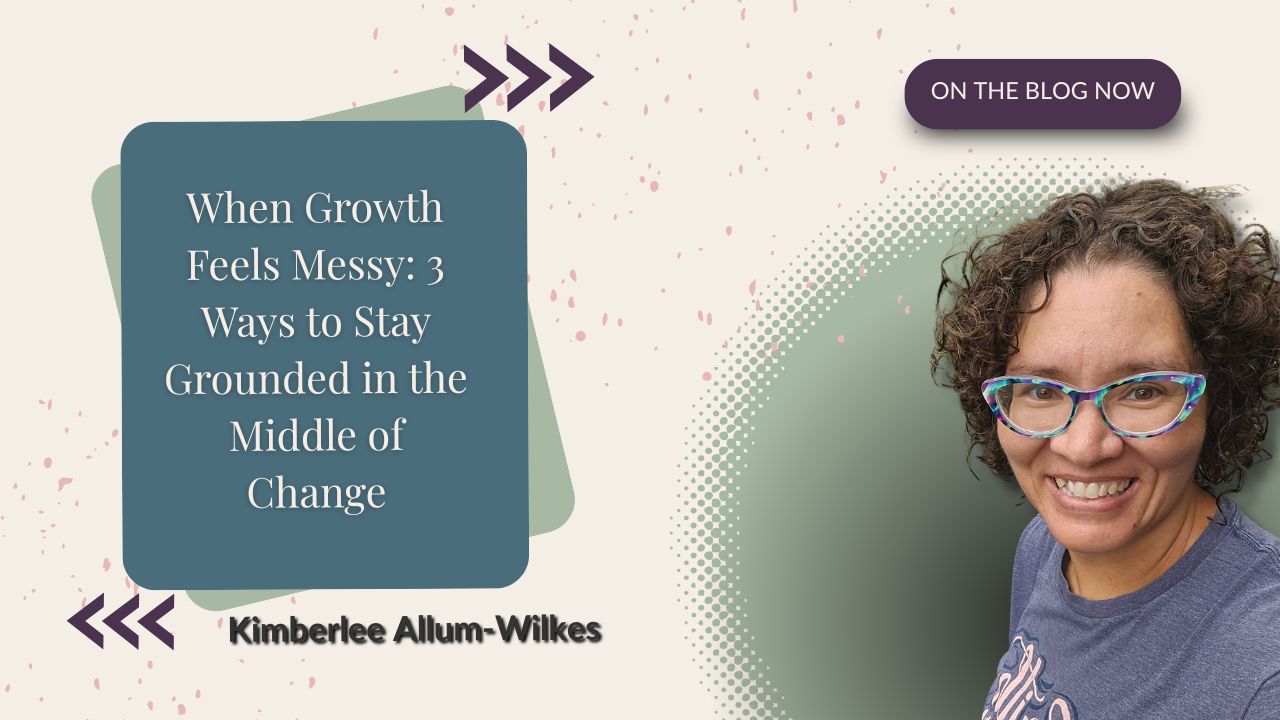
Right now, my hair is in that awkward stage of growth.
Too short to pull back.
Too long to stay out of my face.
It’s driving me a little crazy.
And every time I try to fix it — another clip, another headband, another plan — I’m reminded that there’s no shortcut through this phase. I just have to wait it out.
That’s the thing about the messy middle of growth.
It’s uncomfortable.
It’s inconvenient.
It makes you question if you’re doing it wrong.
But you’re not.
You’re just in that in-between phase — where you’ve outgrown what was, but you haven’t fully stepped into what’s next.
Whether it’s parenting, healing, or rebuilding peace at home, that middle space can feel awkward and uncertain.
You try to lead calmly. You practice patience. You choose connection over control.
And just when you think you’re making progress, your teen rolls their eyes, slams a door, or shuts you out.
It’s easy to think, “I must be doing something wrong.”
But that’s not failure — that’s growth.
In this post, we’ll look at why the middle feels so hard, and how to navigate it with grace, purpose, and steadiness — even when everything feels like it’s stretching at once.
Because the truth is, you’re not stuck.
You’re becoming.
Main Body
Why the middle feels so uncomfortable
Discomfort isn’t failure. It’s evidence of growth.
Growth looks beautiful from the outside.
From a distance, it’s “transformation.” Up close, it’s usually tears, tension, and a lot of second-guessing.
The awkward stage of growth is where everything familiar starts to fade, but the new habits and rhythms haven’t fully formed yet.
It’s that in-between moment where you’re trying to show up differently — but it still feels clumsy.
You’re learning new ways to respond.
You’re practicing calm instead of control.
You’re trying to lead conversations that don’t spiral into shouting or silence.
And it’s not instant.
That’s what makes the middle so hard — your brain still craves the old comfort, even if it wasn’t working.
You know better now, but it doesn’t feel better yet.
It’s like parenting through a major transition.
Your teen is growing, changing, testing boundaries — and you’re growing right alongside them.
You’re figuring out how to hold space for their independence without losing connection.
And some days, that tension feels unbearable.
But here’s the thing: that tension isn’t a sign you’re off track.
It’s a sign you’re growing together.
Every meaningful change passes through this messy middle.
Every relationship that deepens has to first stretch.
Every parent who learns to lead with grace walks through a season where it feels like nothing is working — right before it finally does.
When it feels hardest, remind yourself:
This is the bridge between who you were and who you’re becoming.
It’s not punishment. It’s progress.
What to do when you’re in it
So what do you do when you’re stuck in that in-between phase — when everything feels uncertain, and your confidence is wobbling?
You don’t rush it.
You ground yourself in what matters most.
And you keep showing up, even when it feels messy.
Here are three things that make the middle a little lighter.
1. Give yourself (and others) grace
Growth always starts with grace.
You’re learning new things — how to pause before reacting, how to speak differently, how to soften your tone when everything in you wants to defend. That’s brave work.
So if you catch yourself slipping back into old habits, it doesn’t mean you’ve failed. It means you’re practicing.
Your teen’s learning too. They’re not always graceful in their growth either. They’ll roll their eyes, say the wrong thing, pull away.
Sometimes, giving grace means reminding yourself they’re in their own version of the messy middle too.
Take a breath.
Forgive fast.
Start again.
That’s what real growth looks like.
2. Remember your why
When everything feels unsteady, anchor yourself in why you started.
You didn’t begin this parenting transition because it was easy. You started because you wanted something deeper — more peace, more connection, more trust in your home.
And those things take time.
When you feel discouraged, remind yourself: “I’m not here to control the outcome. I’m here to lead with love.”
Maybe your why is wanting your teen to feel safe with you again.
Maybe it’s wanting to model what calm leadership looks like under pressure.
Maybe it’s just wanting your home to feel peaceful again.
Whatever your reason, let it steady you when everything else feels shaky.
3. Don’t quit
Growth doesn’t happen in straight lines.
It loops, wobbles, and tests your patience.
There will be moments you’ll think, “This isn’t working.”
But it is — you just can’t see it yet.
When I started learning how to shift power struggles with my son, it didn’t click overnight. There were days I thought about giving up — going back to what was familiar, even though it wasn’t helping.
But every time I chose to stay calm instead of react, something inside both of us changed. Slowly. Quietly.
That’s how transformation happens — one steady, grace-filled choice at a time.
So don’t quit.
The middle won’t last forever.
And when you get to the other side, you’ll realize this messy season was where the real work happened.
Short video of you sharing how to “stay steady through the messy middle.”
Alt text: Parenting coach offering encouragement about growth and connection.
How this mirrors parenting growth
You’re not doing it wrong. You’re just growing — and so is your teen.
It’s one thing to go through the messy middle in your own life.
It’s another thing when you’re watching your child go through theirs — and your growth and theirs start colliding.
Parenting has its own awkward stages of growth.
We want connection, but we also crave peace.
We want to guide, but not control.
We want to teach, but also be trusted.
And the truth is — learning how to lead your family with calm instead of control will always feel messy at first.
When you start showing up differently, your teen doesn’t always know what to do with that.
They’re used to the old pattern — the one where tension meant yelling or retreating.
Now, you’re changing the dynamic, and that shift can feel strange for both of you.
This is where most parents start to doubt themselves.
You finally commit to speaking calmly, and your teen still storms off.
You start practicing empathy, and they meet you with sarcasm.
You’re learning connection, and it feels like nothing is changing.
But something is changing — you’re just in the middle of it.
The truth is, parenting growth happens the same way personal growth does: awkwardly, inconsistently, but with a purpose.
You’re learning to hold steady when things get tense.
You’re learning that connection doesn’t come from control — it comes from presence, patience, and understanding.
Every time you choose calm over conflict, you’re rewiring the tone of your home.
Every time you choose curiosity over criticism, you’re building safety.
And every time you resist the urge to quit, you’re showing your teen what growth really looks like.
You’re not failing in this season — you’re leading it.
A real-life reset: why this matters for your teen
You can’t skip the messy middle — but you don’t have to stay stuck there, either.
A few years ago, I found myself in my own version of the messy middle — not with my hair, but with my son.
We were stuck in the same cycle of power struggles that so many parents know too well.
He’d push. I’d react.
He’d shut down. I’d overthink every word I said.
I kept telling myself, “If I could just say it the right way, he’d listen.”
But no matter how hard I tried, every conversation turned into a battle of wills.
It felt impossible.
And honestly — it broke my heart.
Then one day, in the middle of another fight, I realized something that changed everything.
The problem wasn’t that my son wasn’t listening.
The problem was that I didn’t know how to speak his language.
That moment was the start of my reset.
Around that time, I was studying leadership and learning about DISC — a framework that helps people understand different communication styles.
I’d seen it transform workplaces.
But when I brought it home, everything shifted.
I started seeing patterns — what triggered him, what shut him down, and what actually helped him open up.
And as I changed how I showed up, he changed too.
The arguments didn’t disappear overnight, but they lost their heat.
Conversations that used to end with slammed doors started ending with, “Thanks, Mom.”
It wasn’t perfect. It was progress.
It was the messy middle — working.
That experience became the foundation of what I now teach in The Power Struggle Reset — a 3-step method to calm the chaos, rebuild trust, and help parents shift from control to connection in just a few days.
Because when you understand what’s really behind your teen’s reactions — and you lead from clarity instead of emotion — the whole tone in your home changes.
You move out of the messy middle faster.
You rebuild safety faster.
And you start seeing glimpses of the peace you’ve been craving.
Conclusion: You’re not doing it wrong — you’re just growing
So here I am again — brushing another piece of hair out of my face.
Still awkward. Still in-between. Still growing.
It’s not the stage I’d choose.
But it’s the one that’s teaching me the most.
Because whether it’s hair, healing, or parenting — the middle is where growth actually happens.
It’s where patience is built.
It’s where understanding deepens.
It’s where you learn that strength doesn’t come from control… it comes from calm.
If you’re in that messy middle right now — where your home feels tense, your teen feels distant, and you’re questioning if any of this work is paying off — take a breath.
You’re not behind.
You’re not failing.
You’re becoming the parent your teen actually needs.
It’s supposed to feel a little uncomfortable right now.
That means you’re growing — and so are they.
And when you’re ready to move through that middle with more clarity and calm, The Power Struggle Reset is there to help you.
It’s the same 3-step method I used to shift my own home from chaos to connection — and it can help you find your footing again too.
Because peace doesn’t come from skipping the middle.
It comes from walking through it — together.
If you’re in that season where everything feels wobbly, I created The Power Struggle Reset for you.
It’s a simple, 3-step method to calm the chaos, rebuild connection, and bring peace back into your home — one small reset at a time.
0 Comments